The expansion of the Port of Progreso should not be viewed merely as a port infrastructure project. For companies involved in foreign trade, logistics, light industry, warehousing, and regional distribution, it sends a clear signal: Yucatán is entering a new phase of logistics competitiveness.
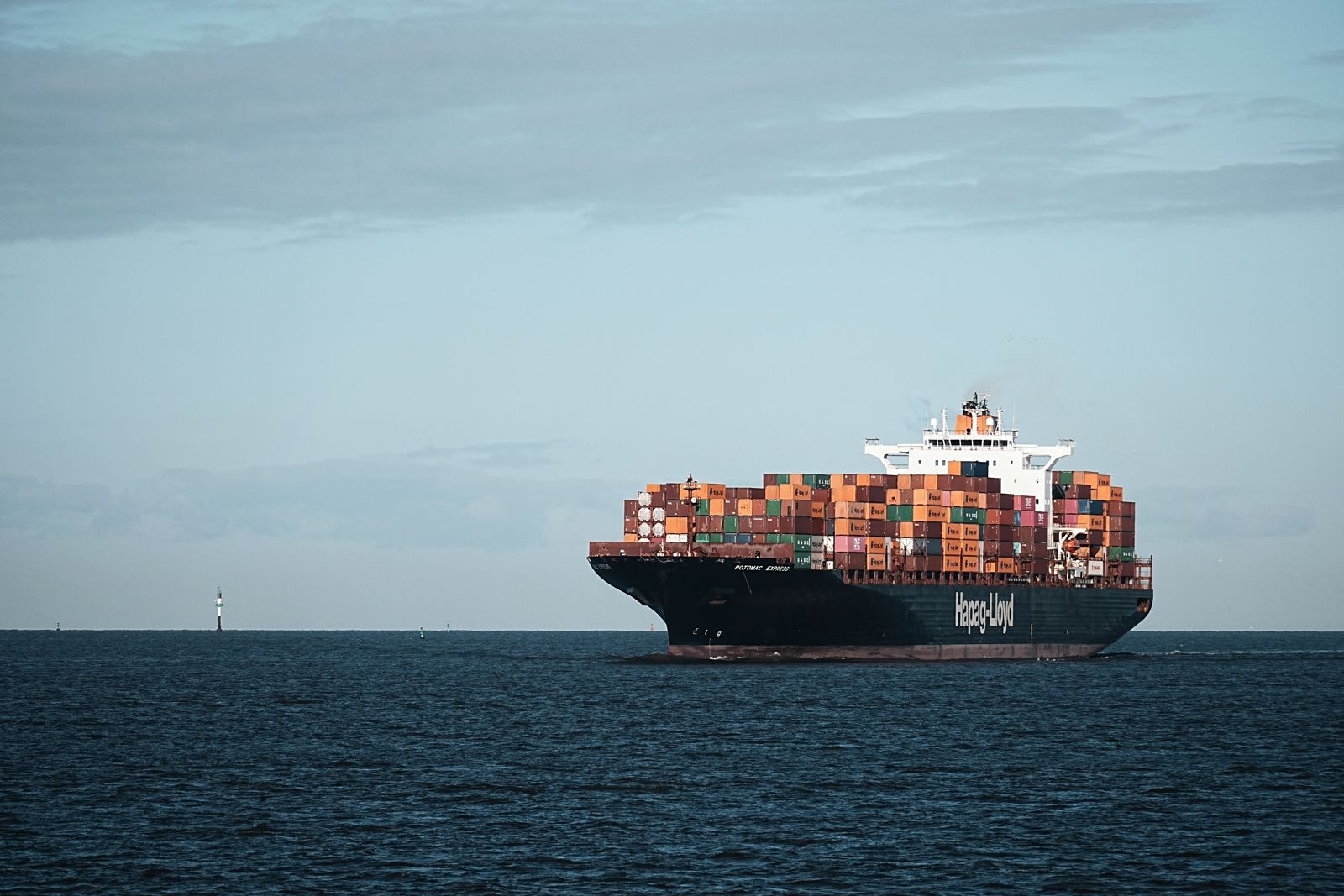
The project is significant in scale. According to Proyectos México, the expansion and modernization of the Port of Progreso involves an estimated investment of 7.225 billion pesos and dredging of approximately 10 million cubic meters, aimed at increasing the capacity of the port’s navigation areas. The navigation channel would expand from 150 to 180 meters in width, with a depth of -13.3 meters, while operational basins would reach -12.5 meters. In addition, the dredged material would be used to create two platforms of 40 hectares each, totaling 80 hectares for the development of specialized terminals.
This means Progreso is not only seeking to accommodate larger-draft vessels. It aims to become a platform with greater operational capacity, improved conditions for specialized cargo, and stronger integration with private investment in terminals, equipment, and related services. In practical terms, increased port capacity typically translates into higher cargo volumes, more operators, more suppliers, greater storage needs, and increased pressure on logistics land near the port.
Recent figures already point in that direction. T21 reported that from January to July 2025, the Port of Progreso handled 67,967 TEUs in deep-sea services, representing a 7.7% increase compared to the same period in 2024, according to data from the General Coordination of Ports and Merchant Marine. In 2024, ASIPONA Progreso’s monthly statistics recorded 2,679,327 tons of total cargo by type of traffic, of which 2,572,240 tons corresponded to deep-sea traffic.
Additionally, T21 noted that during the first eight months of 2024, the Port of Progreso handled just over 4.8 million tons in deep-sea maritime services, reflecting a 20.1% increase. This included breakbulk and containerized cargo, agricultural and mineral bulk, petroleum and derivatives, and other fluids. This combination of real growth, public investment, and port modernization points to a natural outcome: increased demand for industrial and logistics spaces near the port.
Port growth does not occur in isolation. Around it, a full chain of services is activated: 3PL and 4PL operators, freight forwarders, customs brokers, carriers, distribution centers, container yards, foreign trade warehouses, packaging companies, light manufacturing, food processing, seafood, shipping industry services, maintenance, technical support, and specialized industrial services.
For this reason, the strategic question for many companies will not only be how to leverage the port’s growth, but where to establish operations to capture that advantage with minimal logistical friction.
In this context, Progreso Hub holds a position that is difficult to replicate. It is the closest logistics-industrial district in Yucatán to the Port of Progreso, located just 7 kilometers away and directly connected to the Mérida–Progreso federal highway. Its offering includes industrial land, warehouses for lease or sale, build-to-suit options, and maneuvering yards for logistics, industrial, and foreign trade companies. The project positions itself as a platform integrating port access, highway connectivity, projected access to the Maya Train cargo network, and a future natural gas network.
When a port grows, nearby land with industrial use becomes more strategic—not due to speculation, but because of operations: it reduces transit distances, improves response times, facilitates maneuvering, enables cargo consolidation, and brings companies closer to where activity is generated.
The expansion of the Port of Progreso is reshaping Yucatán’s logistics geography. Companies that anticipate this transformation will be able to secure key locations before demand for industrial space near the port becomes more evident.